
中文

「《法華經》之人性主義展」引文
點擊版面標題來閱取引文。
開啟 / 關閉所有項目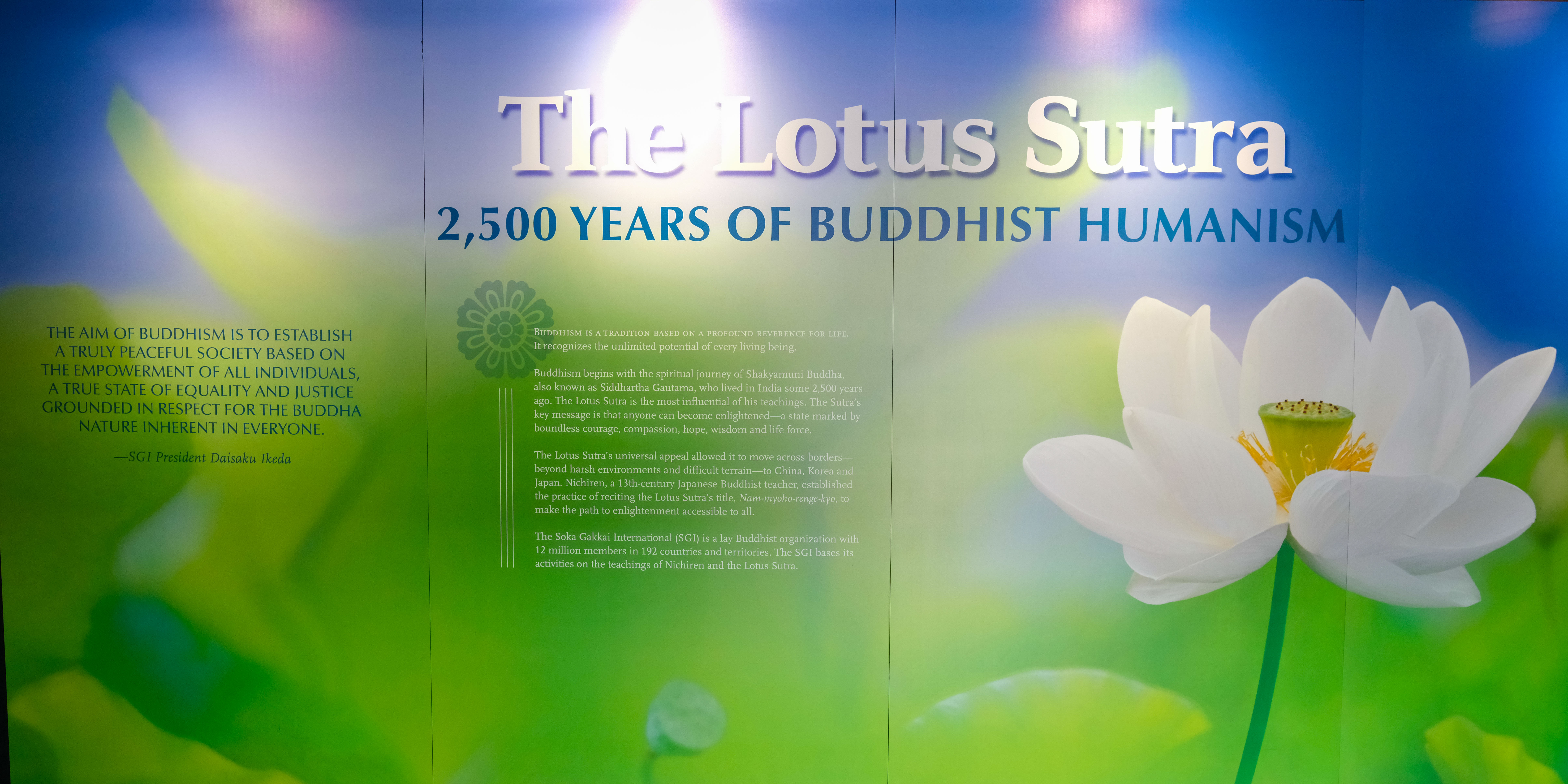
《法華經》
佛教的要旨是扎根於所有人皆本有佛性來達至真正平等和正義,從而賦予所有人力量來建立一個真正和平的社會。
池田大作,Unlocking the Mysteries of Birth and Death,187頁
(佛陀視)任何人、任何生命都是尊貴平等的。我確信《法華經》的人性主義才是下一個千年所需要的「宇宙性人性主義」。
池田大作,港版《法華經的智慧》(上),239-240頁
佛法是在根底層次,闡揚最高的「敬人之道」。佛法教示能夠展現我們本有佛性的,唯有我們為人處世之道。所有人皆是平等的,所有人皆具最尊貴的本質,而所有人皆有獲得幸福的權利。
池田大作,2002年6月21日World Tribune,1頁
一個人的無限潛能
有人簡單地把支配現代的風氣說成是一種「無能為力」的感覺。誰都認為非改變現狀不可,但不管政治、經濟、環境等問題,皆非一人能力所及,這些問題全都被掌握與操縱著……這種無能為力的感覺促使事態更加惡化,形成惡性循環。
與這種感覺相反的,就是《法華經》的哲學……教導一個人的「一念」可以改變一切,並且明確地教示我們,人擁有無限潛能與尊貴的生命。……
不管身在何處都必須從「一個人的蘇生」開始出發。這就是「透過人間革命來實現社會革命、地球革命」,其法理就是《法華經》。
池田大作,港版《法華經的智慧》(上),5、10頁
釋迦牟尼與《法華經》
佛教的要旨是扎根於所有人皆本有佛性來達至真正平等和正義,從而賦予所有人力量來建立一個真正和平的社會。
池田大作,Unlocking the Mysteries of Birth and Death,187頁
釋迦牟尼佛――王子的人生
釋尊是一個的王子,養尊處優……各個季節有不同的宮殿,身邊總有侍者撐傘,遮陰避暑。
池田大作,港版《新人間革命》第三卷,113頁
釋迦牟尼佛――佛教的誕生
促使釋迦牟尼出家修行並且成為整個佛教起源點的力量,是要超越人類生命本有苦難的熱切渴求。
池田大作,The Living Buddha: An Interpretive Biography,127頁
釋迦牟尼佛――獻身於眾生
釋尊的口才和誠懇,是佛教在當時深入及廣泛地銘刻在民衆心裡的原由。
池田大作,MyDear Friends in America,374頁
弟子弘揚佛陀的教導
如是我聞。
《法華經並開結》,76頁
二十八品的《法華經》能夠整理出來,是因為(釋尊)有一些弟子……決意立於與佛同樣的境涯,救渡全民眾,實踐「如是我聞」。
池田大作,港版《法華經的智慧》(上),64頁
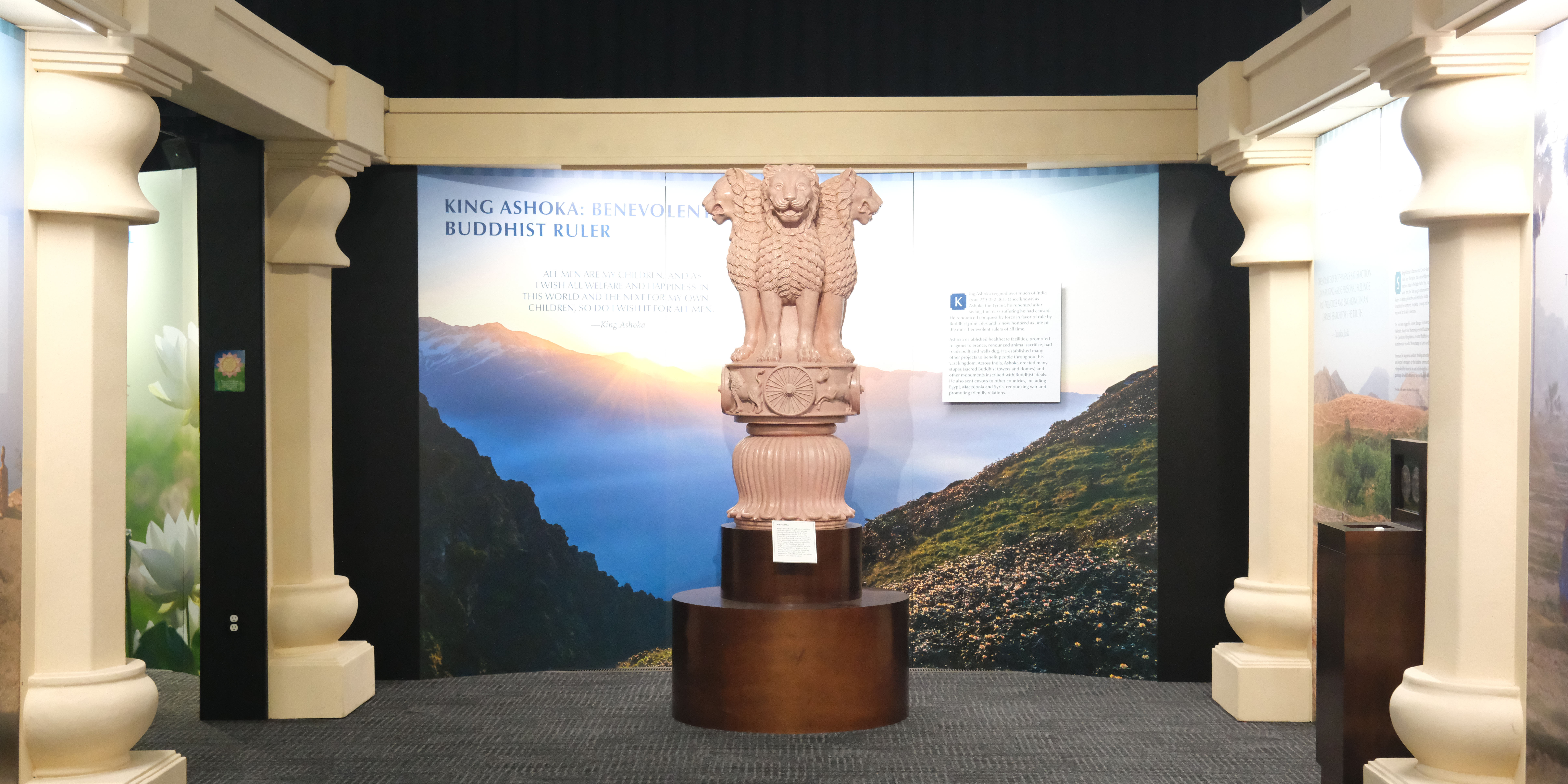
彌蘭陀王:東西方之橋樑
這兩個人感到滿意,其根源所在,他們能夠把個人感情和偏見放在一邊,而認真地去追求真理。
池田大作,《佛教一千年》,43-44頁
阿育王:施行佛法仁政的統治者
所有的人都是我的兒女,我希望我自己的兒女在這個和下一個世界裡能有一切福利和幸福,也希望所有人都能有。
阿育王,《佛教一千年》,29頁
《法華經》的肝心
《法華經》裡述說與邪惡奮戰的正義觀,有鼓勵疲憊的人的溫馨場面,也有鼓舞人們消除恐懼的勇氣。
經文裡有三世自由自在的歡喜合唱、自由的飛翔、燦爛的光芒、花草、綠樹、音樂、繪畫和故事。亦有最高的心理學、人生學、幸福學、和平學,是健康的根本軌道。亦能使人領悟宇宙的真理――「心變則一切改變」。
池田大作,港版《法華經的智慧》(上),13頁
生命是永恆的
更賜壽命。
《法華經並開結》,513頁
以永恆的生命來看,……壽命的長短並不重要,而是在於這一生是怎樣過的?做了什麼?如何改變了自己的境界?令多少人們幸福?才是重要。於今世開啟、鞏固了佛的境界者,將永恆持續此境界。
池田大作,港版《法華經的智慧》(中),176頁
菩薩道喚醒佛性
汝等皆行菩薩道,當得作佛。
《法華經並開結》,589頁
照顧他人,不但可以引出他人的活力,也會加強自己的生命力。擴大他人的生命,自己的境涯隨之提升,利他與自利一致,此即菩薩道之妙。
池田大作,港版《法華經的智慧》(中),288頁
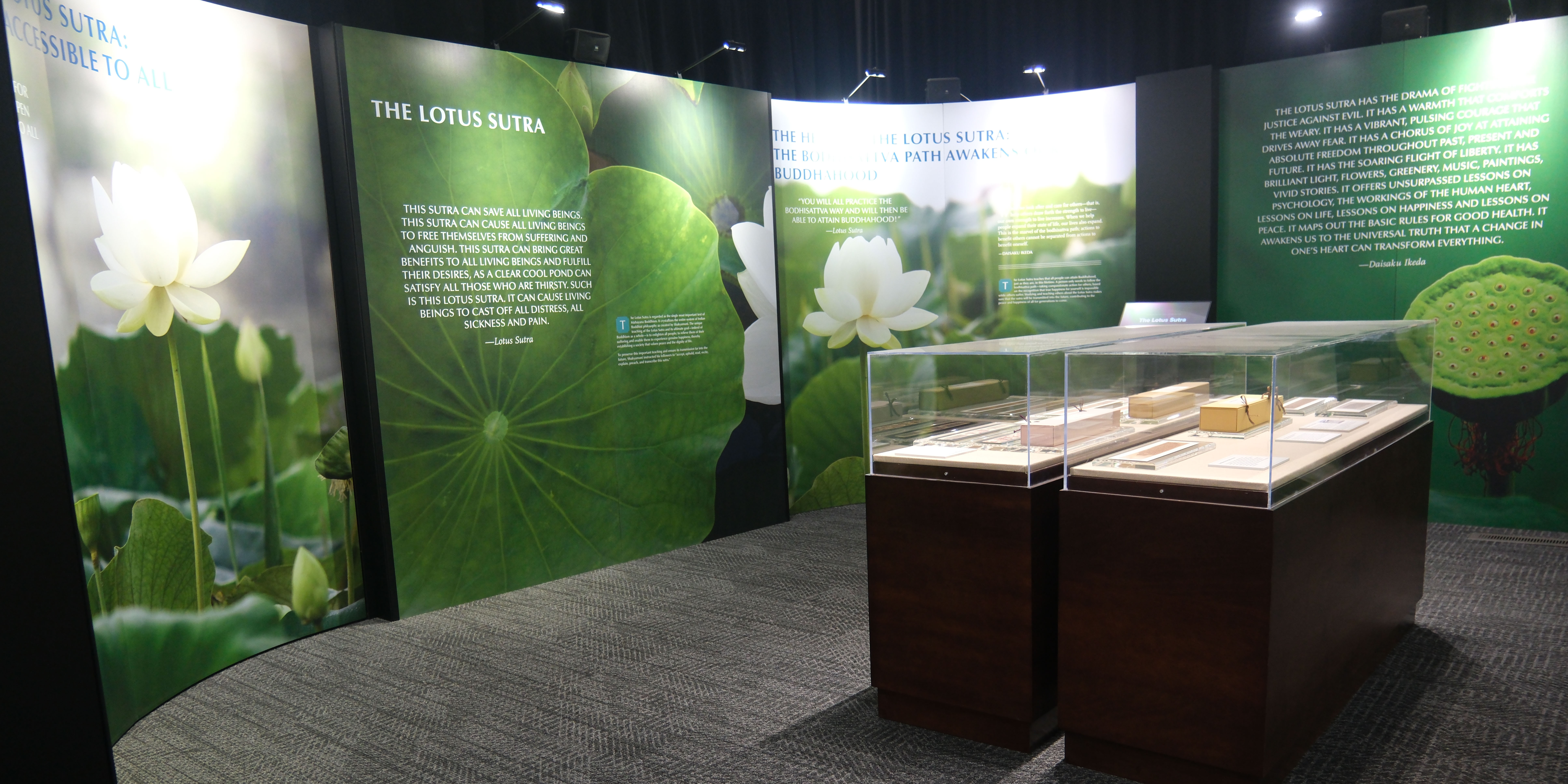
《法華經》
此經能救一切眾生者,此經能令一切眾生離諸苦惱,此經能大饒益一切眾生,充滿其願。如清涼池,能滿一切諸渴乏者。……此法華經亦復如是,能令眾生離一切苦、一切病痛。
《法華經並開結》,632-633頁
眾生皆可成佛
諸佛世尊,唯以一大事因緣故,出現於世。……諸佛世尊欲令眾生開佛知見。
《法華經並開結》,129頁
開顯眾生的佛知見,表示眾生本具備著佛知見……(釋尊)這句話等於宣言「眾生乃極尊之存在」。
池田大作,港版《法華經的智慧》(上),93頁
《法華經》乃佛陀最重要的教義
廣說諸經,
而於其中,
此經第一。
《法華經並開結》,415頁
絲綢之路
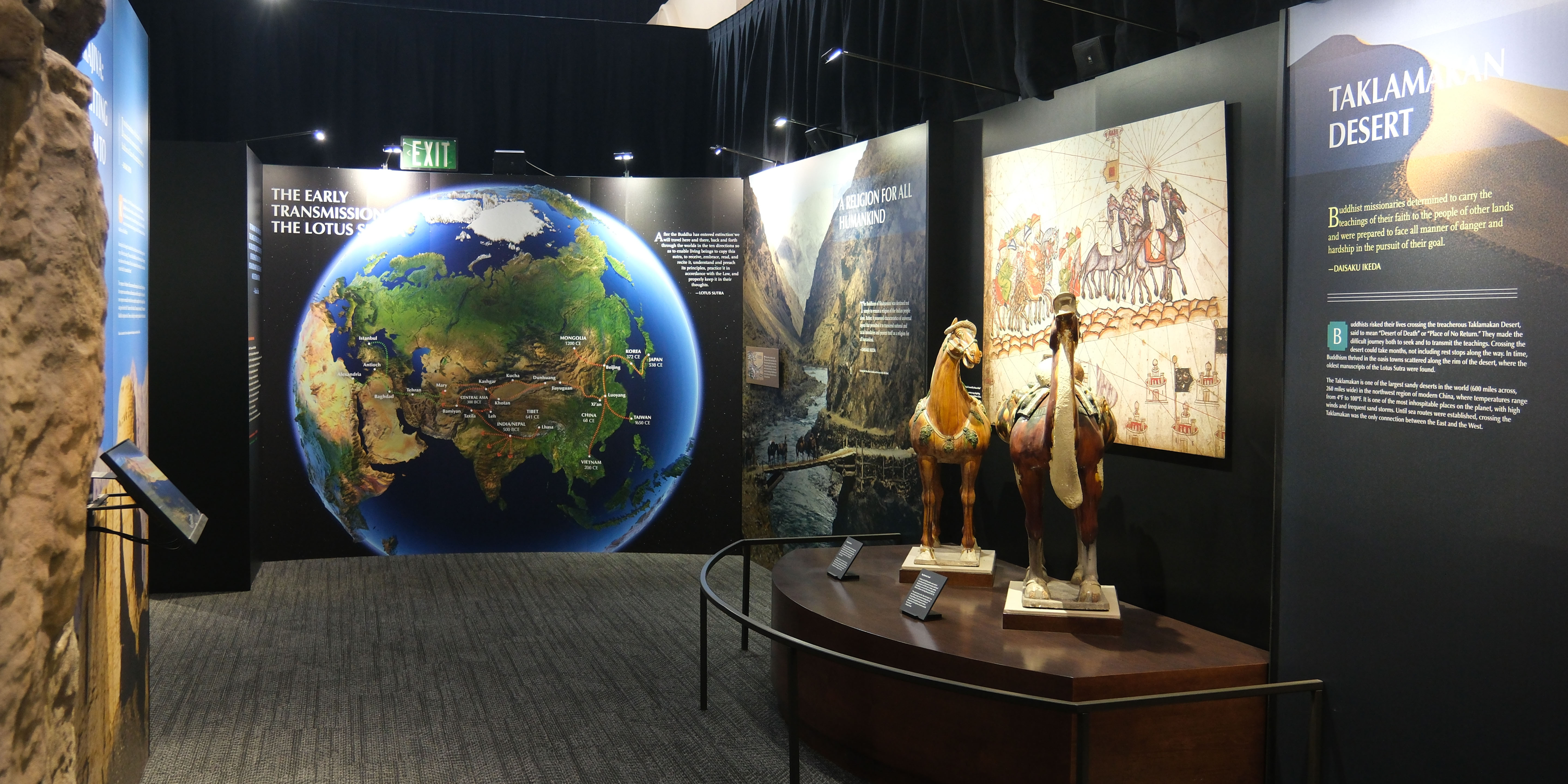
《法華經》早期的流傳
要傳播表現佛教最高教義的《法華經》,無疑需要具有菩薩或菩薩們那樣真正特殊的覺悟和決心。
池田大作,《佛教一千年》,92頁
我等於如來滅後,周旋往返十方世界,能令眾生書寫此經,受持讀誦,解說其義,如法修行,正憶念。
《法華經並開結》,443-444頁
人類宗教
釋尊的佛教,不單純是印度民眾的狹隘民族宗教。它帶有普遍性,具有一種超越國境、超越民族差異、逐漸向全世界普及的世界宗教――也可以稱之為「人類宗教」――的性質。
池田大作,《佛教東來》,3頁
唐朝駱駝
成為此路交通工具之一的,即號稱為「沙漠之舟」的駱駝。畫家常書鴻先生(中國敦煌研究院名譽會長,已故)曾說:「駱駝於沙上留下來的足跡,宛如一條連綿不絕的蓮花絮。」
池田大作,港版《法華經的智慧》(中),130頁
鳩摩羅什:把佛教傳至中國
把佛教的肝要正確無比傳至中國的,就是著名的佛學家鳩摩羅什。
池田大作,2001年9月Living Buddhism,32頁
塔克拉瑪乾沙漠
(佛教徒)出於一種要把佛法傳到異國的弘教熱誠。正因為有著這種帶有崇高使命的火熱決心,所以才能衝破一切艱難困苦。
池田大作,《佛教東來》,27頁
敦煌莫高窟
中國的敦煌被稱為「砂漠的大畫廊」,具有千餘年(公元四世紀以來)歷史的佛教美術寶庫。
池田大作,港版《青春對話》,231頁
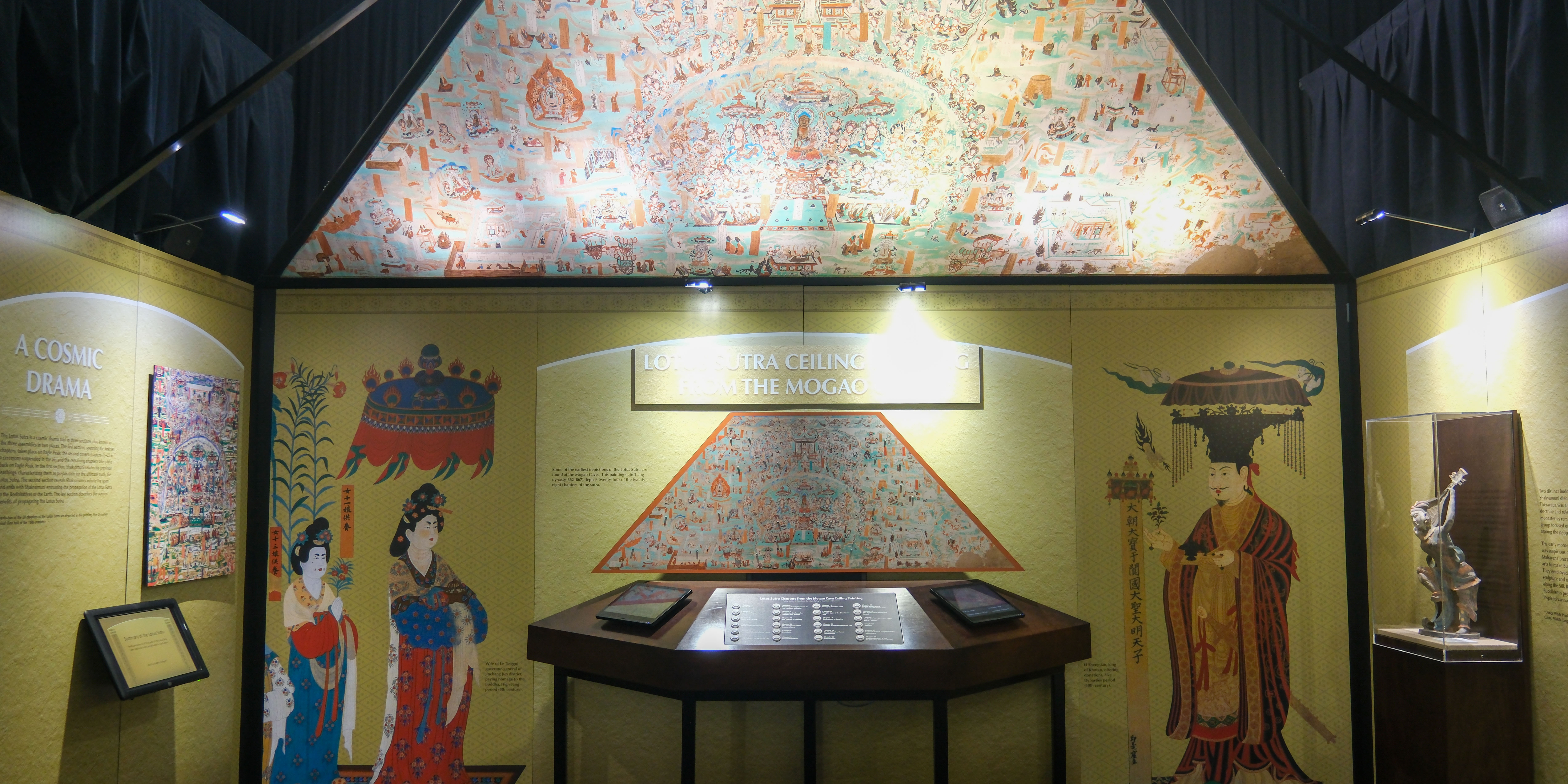
大乘佛教
持法千年
若善男子、善女人於法華經,……受持、讀誦、解說、書寫,……是人一切世間所應瞻奉。
法華經並開結》,376-377頁
天台大師
若眾生無佛知見,何所論開?當知,佛之知見,蘊在眾生也。
天台,御書文白並列本Ⅰ,404頁
依時
同樣是《法華經》,但依佛、時和眾生的機根不同,表現形態就會不同。極理雖只有一個,但也會因各時代眾生的佛緣深淺不一,而有種種差別。
戶田城聖,港版《法華經的智慧》(上),57頁
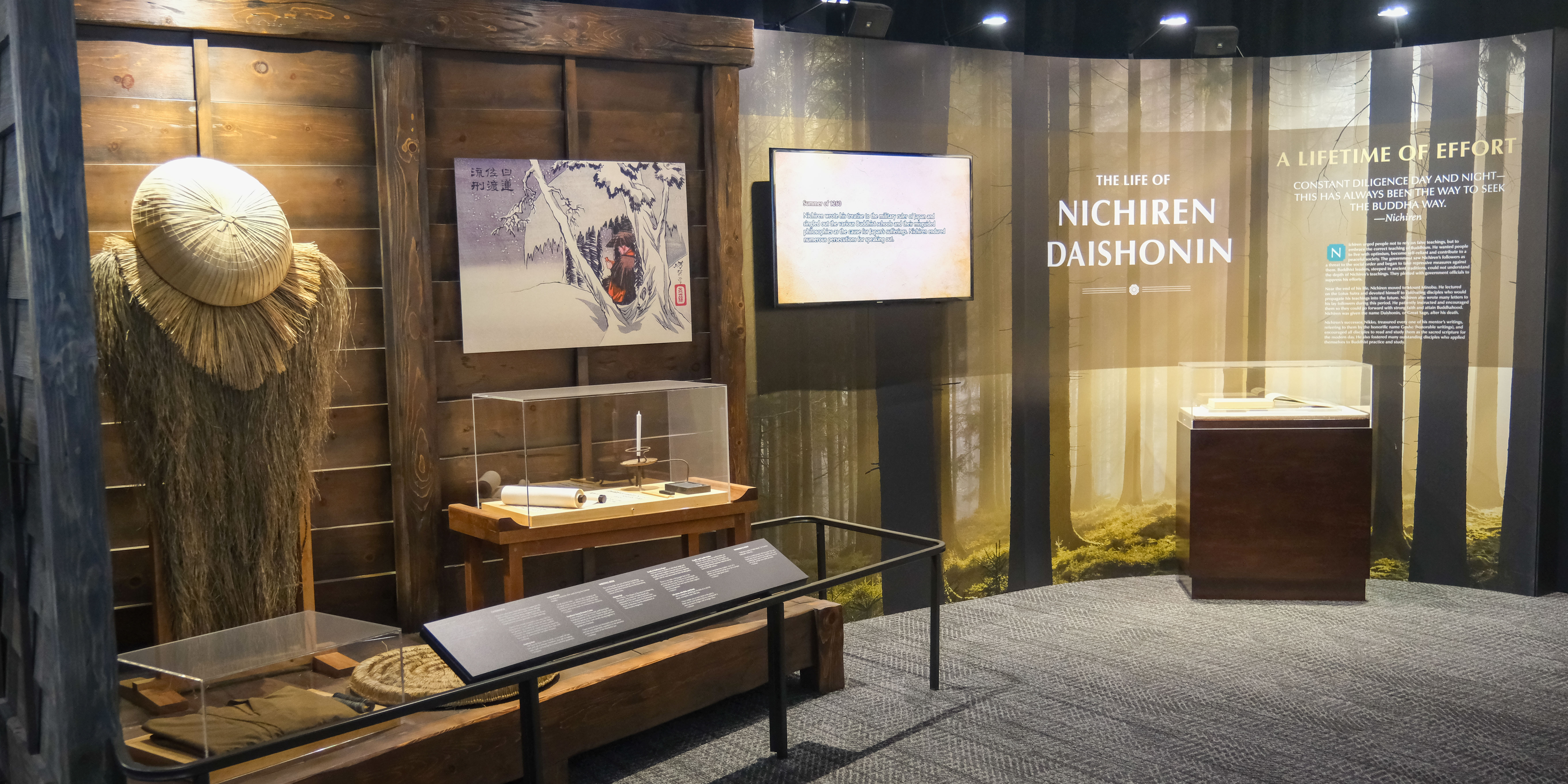
日蓮大聖人的一生
日蓮
法華……是一切眾生皆成佛道之教。
日蓮大聖人,《御書文白並列本》Ⅰ,62頁
流布地圖
廣宣流布於閻浮提,無令斷絕。
《法華經並開結》,637頁
法不自弘,人弘法故,人法共尊。
日蓮大聖人,《御書全集》891頁
畢生努力
晝夜常精進 為求佛道故。
日蓮大聖人,〈御義口傳〉《御書文白並列本》別冊,151頁
日本蓑衣
我……手握法華經,披蓑衣、戴斗笠而居之(佐渡國)。
日蓮大聖人,《御書文白並列本》Ⅴ,328頁
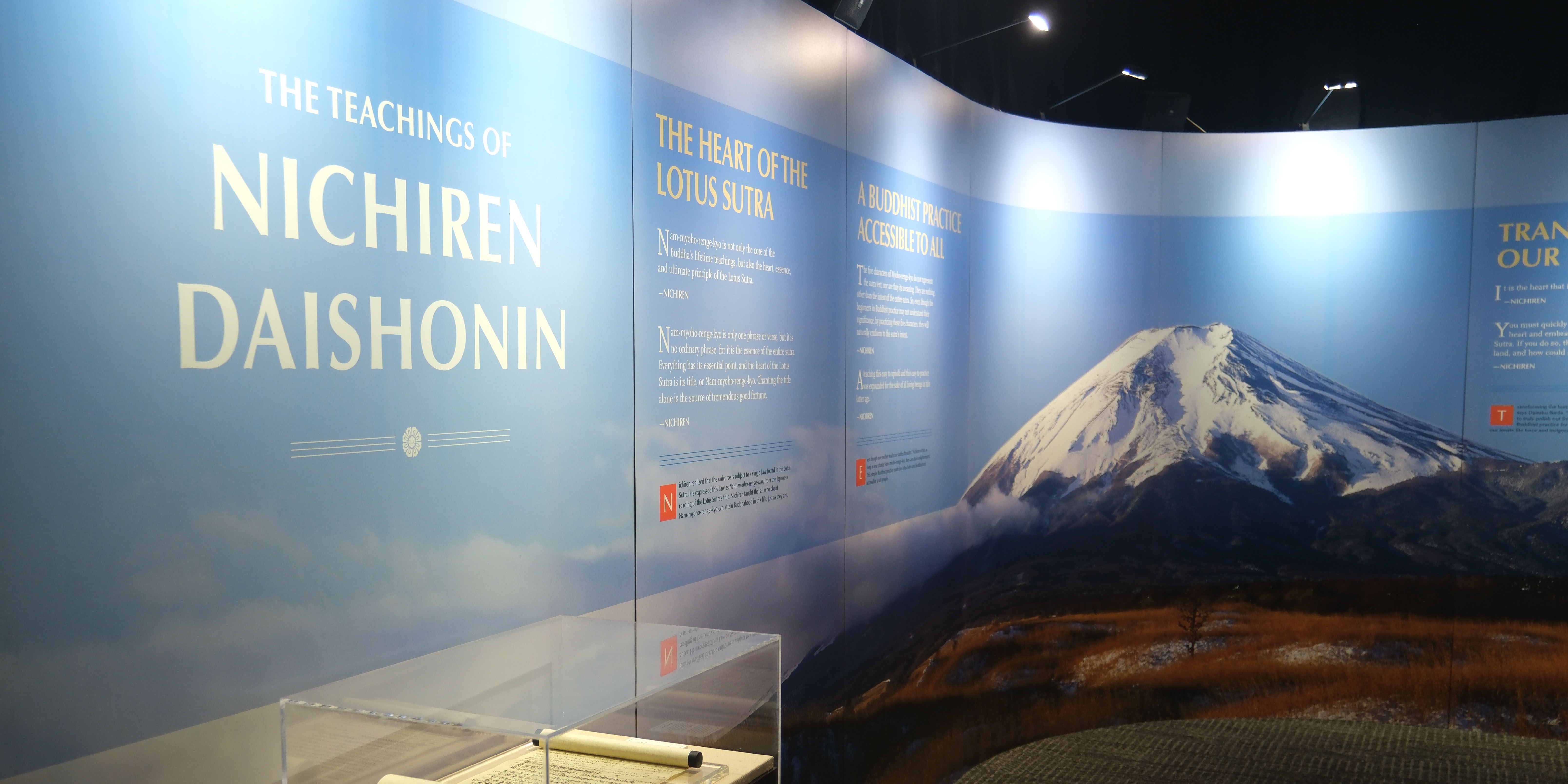
御書
《法華經》的肝心
南無妙法蓮華經雖是一句一偈,然、同一句之中,此一句最為肝心。……一切事皆有其所詮、肝要。法華經一部之肝心,即南無妙法蓮華經之題目。……唱此經題目……即成大善根!
日蓮大聖人,《御書文白並列本》Ⅲ,181-183頁
南無妙法蓮華經,非僅為一代之肝心,乃法華經之心也、體也、所詮也。
日蓮大聖人,《御書文白並列本》Ⅲ,114頁
一切眾生受用的佛道修行
妙法蓮華經五字,非經文,非其義,祇唯一部之意耳。初心行者,雖不知其心,行之而自然當意。
日蓮大聖人,《御書文白並列本》Ⅲ,37頁
如斯易持、易行之法,是佛留為末代……一切眾生而說。
日蓮大聖人,《御書文白並列本》Ⅲ,182頁
變革我們的生命
但心唯貴耳!
日蓮大聖人,《御書文白並列本》Ⅲ,263頁
汝其早改信仰之寸心,速歸……(《法華經》)之一善。若然,三界皆佛國。佛國焉衰?
日蓮大聖人,《御書文白並列本》Ⅰ,30頁
變革社會
匯眾流而成大海……日蓮之始信法華經,於日本國如一渧……。得二人、三人、十人、百千萬億人齊來唱傳法華經時,是……大涅槃之大海。
日蓮大聖人,《御書文白並列本》Ⅱ,219頁
佛教是教導人如何發現自身內在的「至尊生命」,此「至高的希望」。
能發覺自身擁有「至尊生命」此「至高希望」的人,同時也能從他人的生命中發現希望的光輝。並且,通過自他這根源性的共鳴,自覺到構築「生命尊嚴,尊敬人性」的新世界,就是「自己的使命」。
池田大作,2011年4月8日《世界聖報》,3頁
日蓮入滅後的佛教
依附於權力的宗教,當然不會為了民眾而變革現實社會,也沒有創造現實社會的力量。
戶田城聖,《人間革命》(第二版)第十一卷
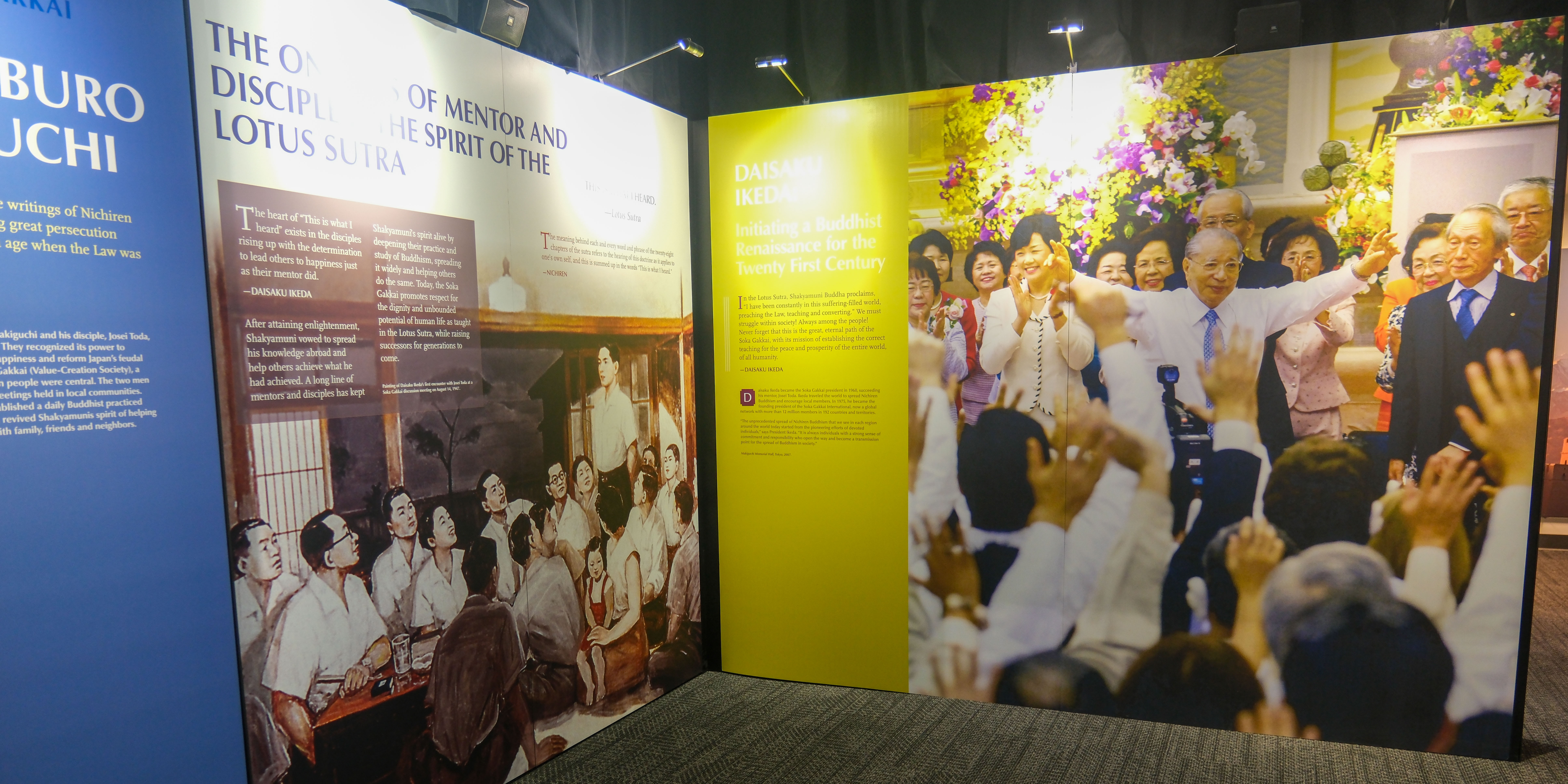
創價學會
牧口常三郎
牧口(會長)以御書為師,迎向大難,在法滅的危機時代使佛法復蘇。
池田大作,港版《新人間革命》第二卷,191頁
戶田城聖
伸一,我會奠定日本廣宣流布磐石般的基礎,由你開拓世界廣宣流布的大道!我只能預先替你構思計畫,你要將這一切全部都付諸實現啊!
戶田城聖,《人間革命》(第二版)第十二卷
池田大作
釋尊在《法華經》中說示:「我常在此娑婆世界,說法教化」。
在社會中奮戰!
切勿離開民眾!
絕對不可忘記於此才有以「立正安國」、「人類和平」為使命的創價之永遠大道。
池田大作,2003年3月29日《聖教新聞》
「師弟不二」是《法華經》的精神
如是我聞。
《法華經並開結》,76頁
如是我聞之心,就是指弟子毅然立起,決心宣言「要與師同心,救渡民眾」。
池田大作,港版《法華經的智慧》(上),64頁
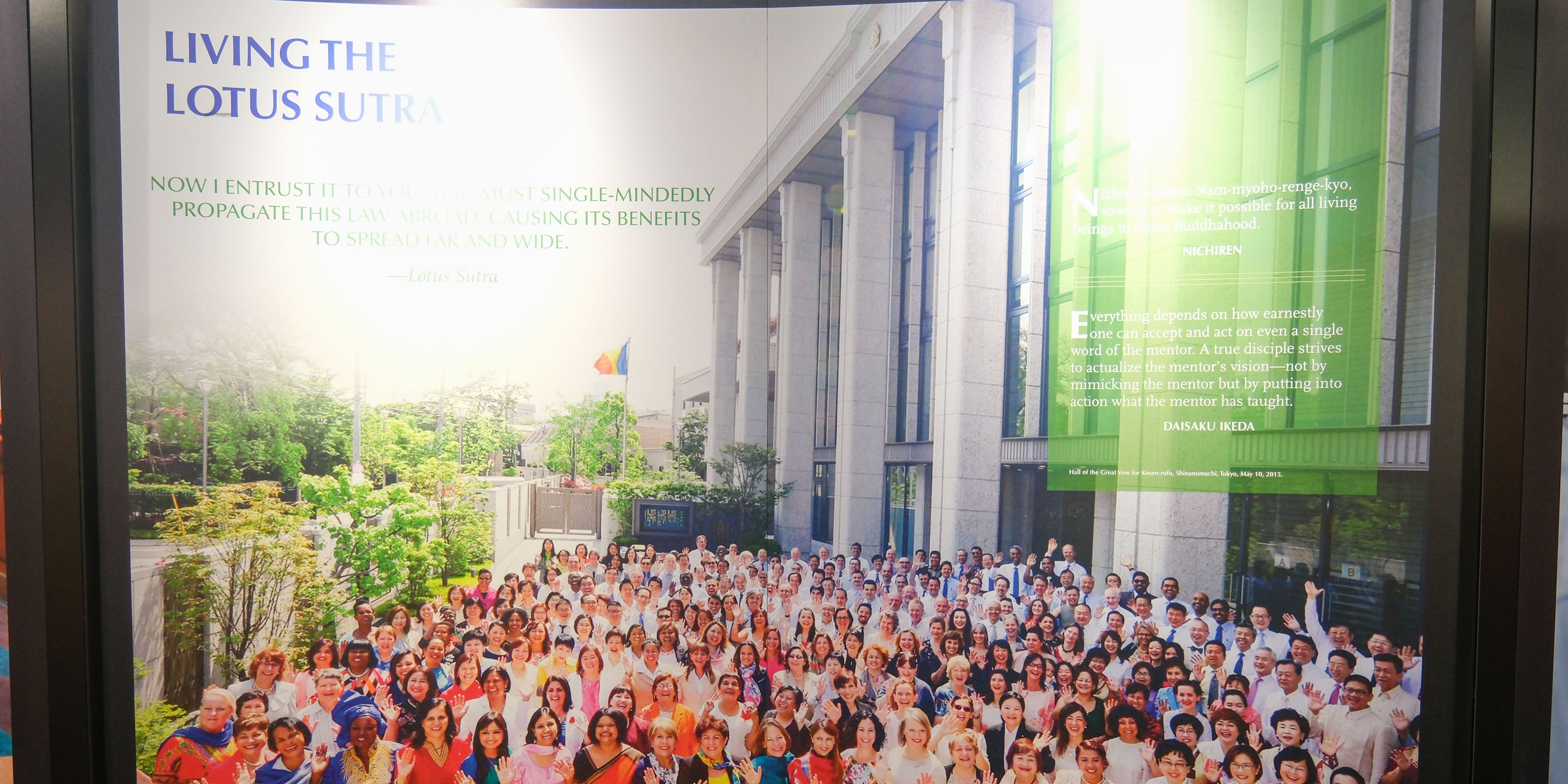
依照《法華經》實踐
今以付囑汝等。汝等應當一心流布此法,廣令增益。
《法華經並開結》,610頁
《法華經》〈囑累品第二十二〉
《法華經》〈囑累品第二十二〉
(日蓮)唱奉南無妙法蓮華經,我使……一切眾生成佛之願。
日蓮大聖人,〈御義口傳〉《御書文白並列本》別冊,25頁
對於師的一句話,如何認真體會呢?能決意全部實踐的人,才是弟子。模仿老師的口氣不能稱是弟子,唯有實踐師說才是弟子的佐證。
池田大作,港版《法華經的智慧》(下),180頁
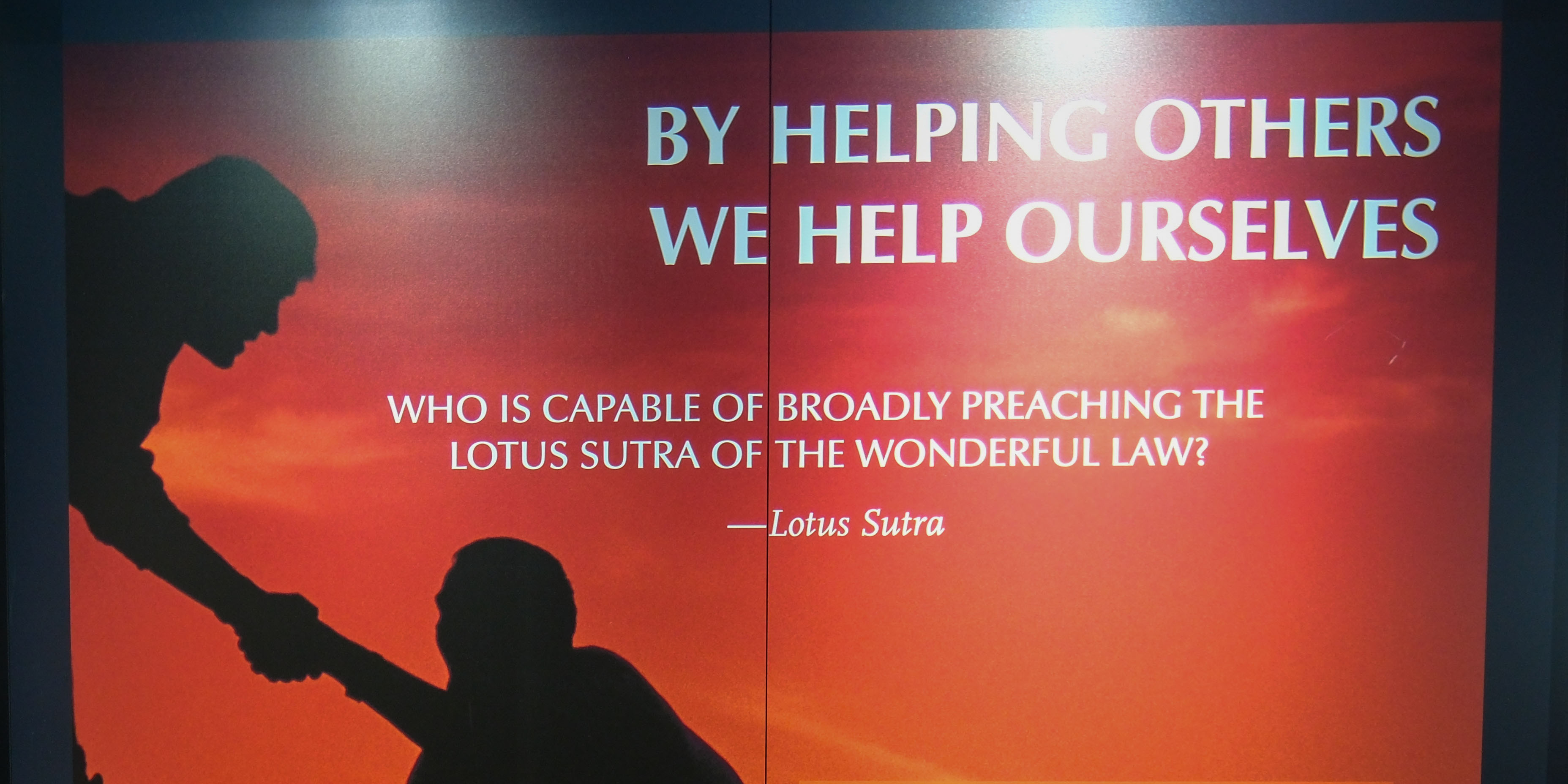
助人助己
誰能……廣說妙法華經。
《法華經並開結》,408頁
《法華經》〈見寶塔品第十一〉
《法華經》〈見寶塔品第十一〉
為人點火,明在我前。
日蓮大聖人,《御書文白並列本》Ⅵ,176頁
有自行和化他,才能與宇宙的節奏一致。
池田大作,港版《法華經的智慧》(下),195頁
隨著「自行」的行進,「化他」就能順利進行,而進行化他就能加深自行。
池田大作,港版《法華經的智慧》(下),195頁
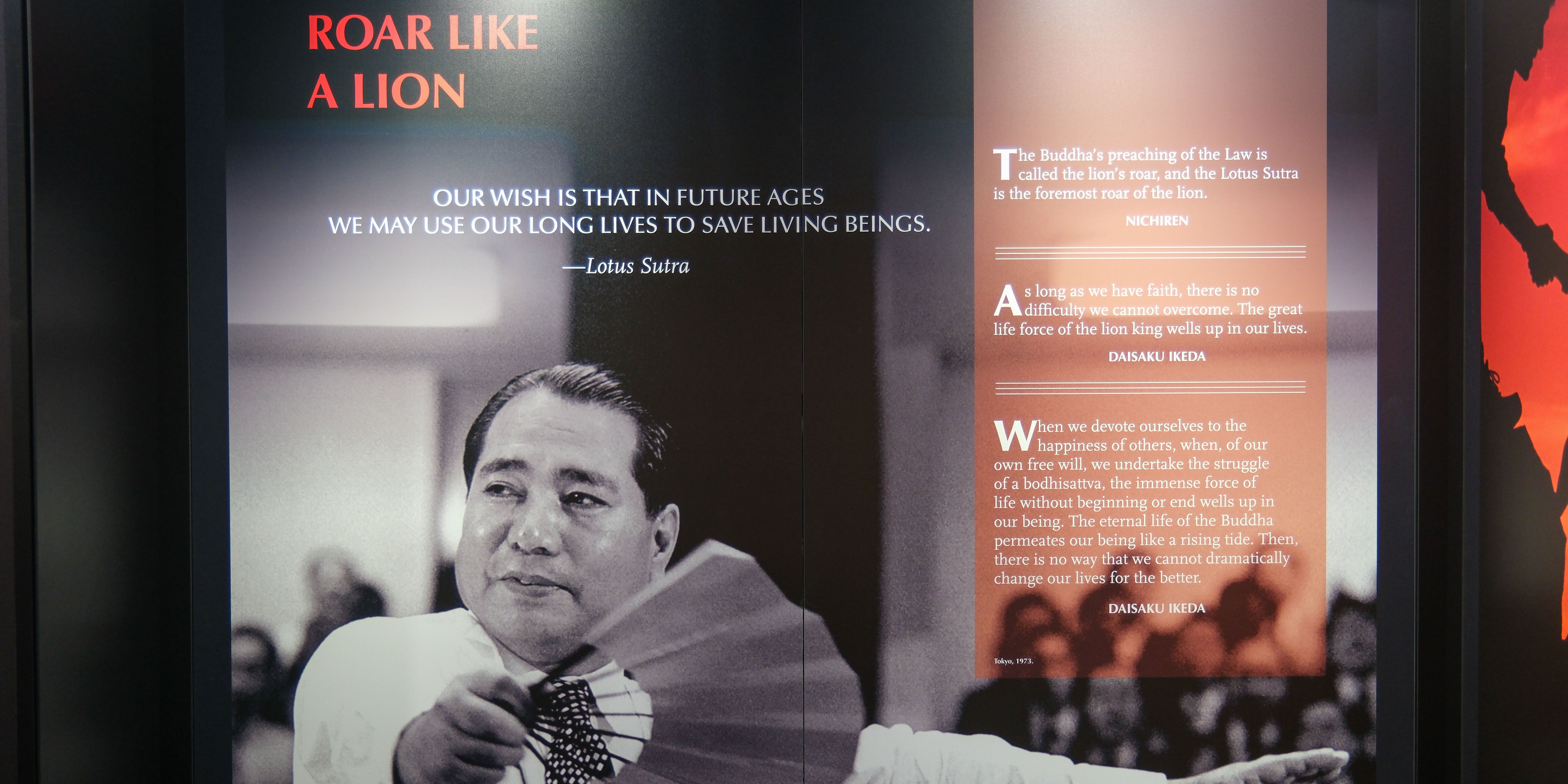
如獅子吼
願我於未來,長壽度眾生。
《法華經並開結》,535頁
《法華經》〈分別功德品第十七〉
《法華經》〈分別功德品第十七〉
佛說法稱師子吼,乃至法華經是師子吼之第一。
日蓮大聖人,《御書文白並列本》Ⅰ,368頁
所以只要有信心,沒有無法克服的苦難,會湧現……「獅子王的大生命力」。
池田大作,港版《法華經的智慧》(下),15頁
為了他人的幸福而奉獻自己。以自由意志主動打這場「菩薩之戰」。這時,我們的生命就會湧現「不死」的大生命力。佛的「永恆生命」將如漲潮,充滿我們的生命。這時,生活一定會好轉。
池田大作,港版《法華經的智慧》(下),20頁
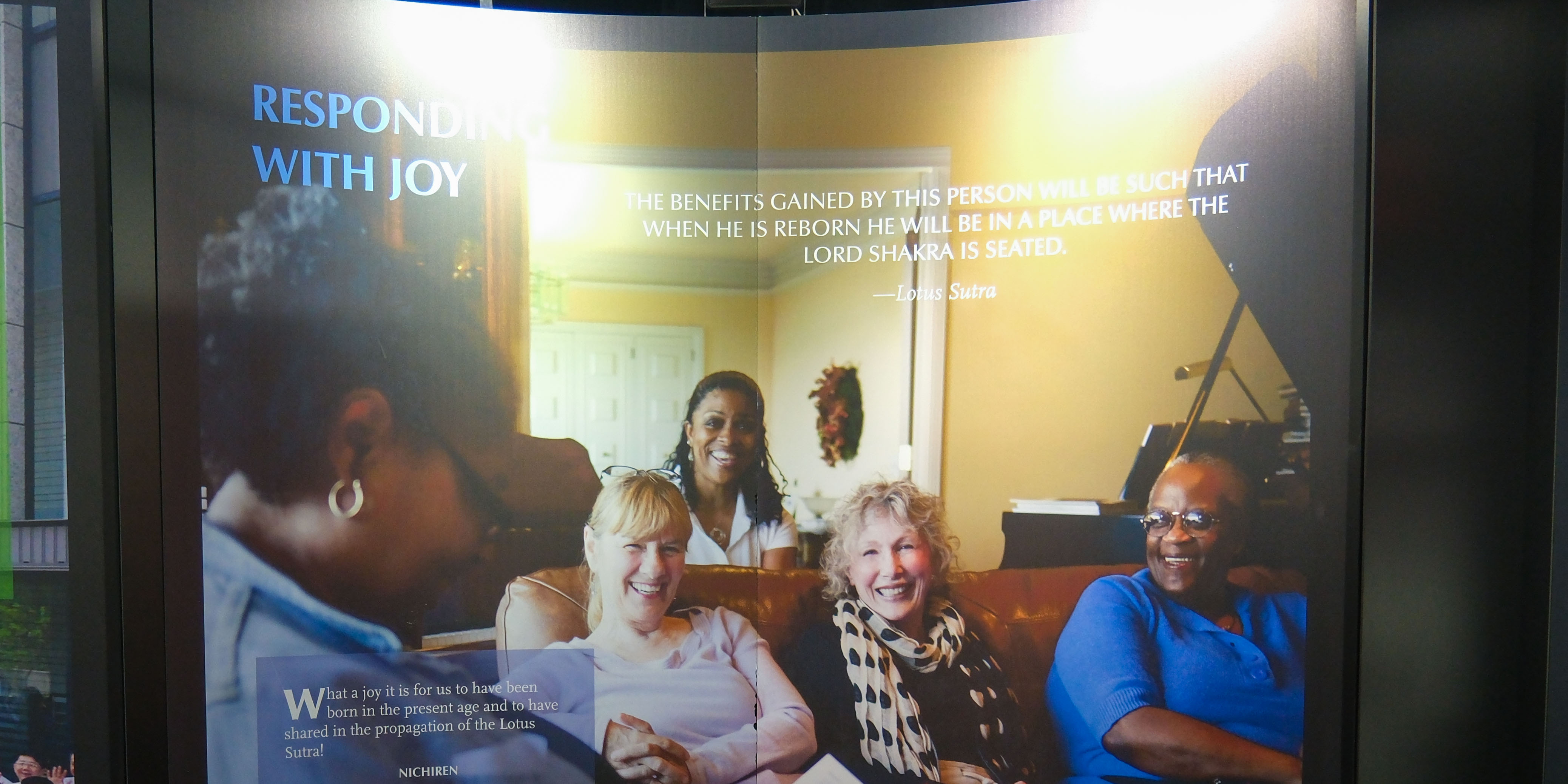
隨喜
是人功德,轉身得帝釋坐處。
《法華經並開結》,552頁
《法華經》〈隨喜功德品第十八〉
《法華經》〈隨喜功德品第十八〉
幸哉!我等生逢末法流布(法華經)之時。
日蓮大聖人,《御書文白並列本》Ⅲ,288頁
總之,擁有喜歡御本尊、喜歡唱題、喜歡學會活動這種強盛信心的人,必能獲得源源湧出的「隨喜功德」。
池田大作,港版《法華經的智慧》(下),40頁
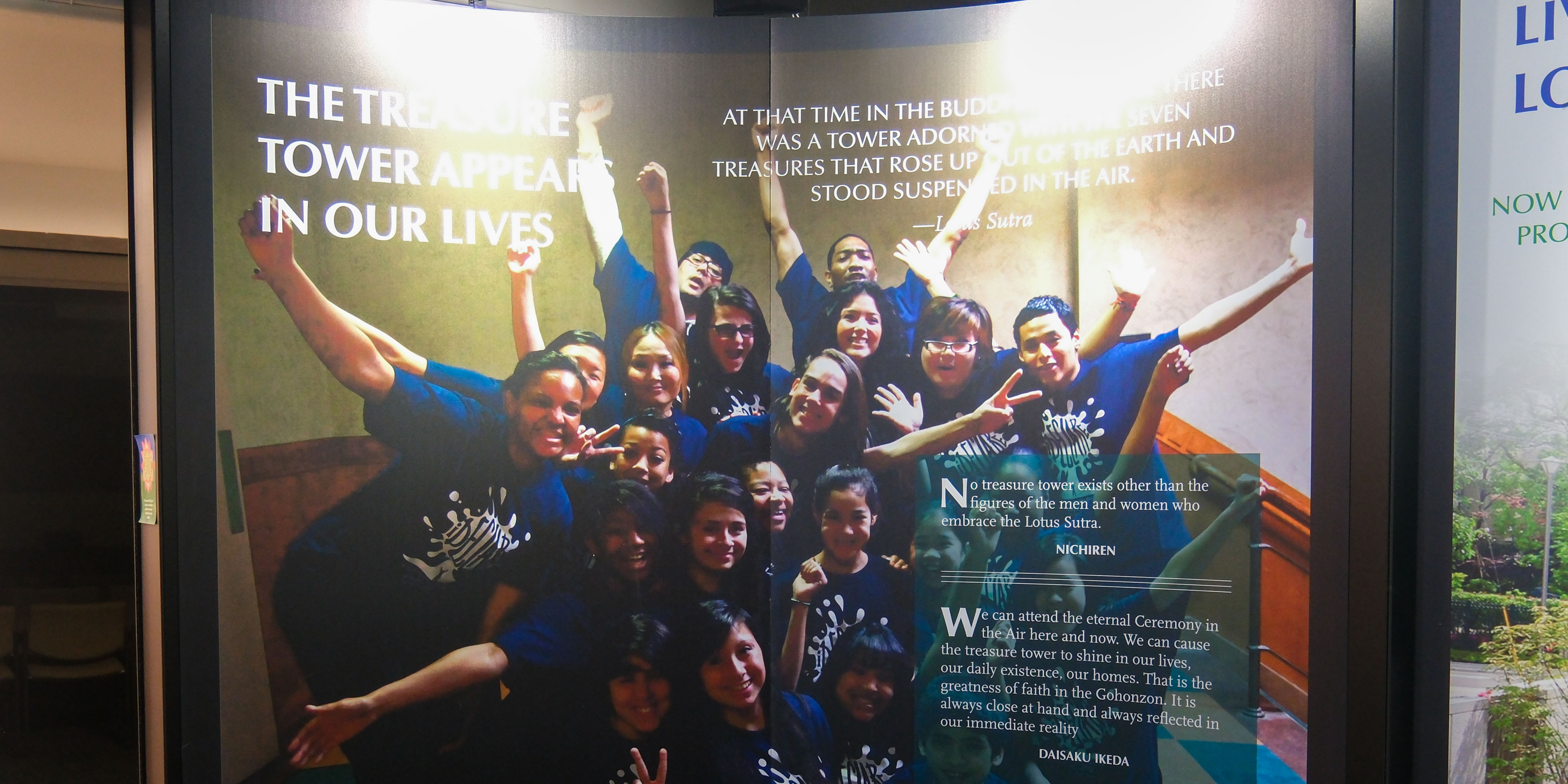
生命湧現「寶塔」
爾時佛前有七寶塔……從地涌出,住在空中。
《法華經並開結》,393頁
《法華經》〈見寶塔品第十一〉
《法華經》〈見寶塔品第十一〉
持法華經之男女,其身之外,別無寶塔也。
日蓮大聖人,《御書文白並列本》Ⅰ,331頁
能於「現在、此地」,永遠與虛空會的儀式相連;能於我身、生活、家庭中,綻放寶塔的光芒。這就是御本尊的偉大之處。凡事都與切身、現實有關。
池田大作,港版《法華經的智慧》(上),348頁
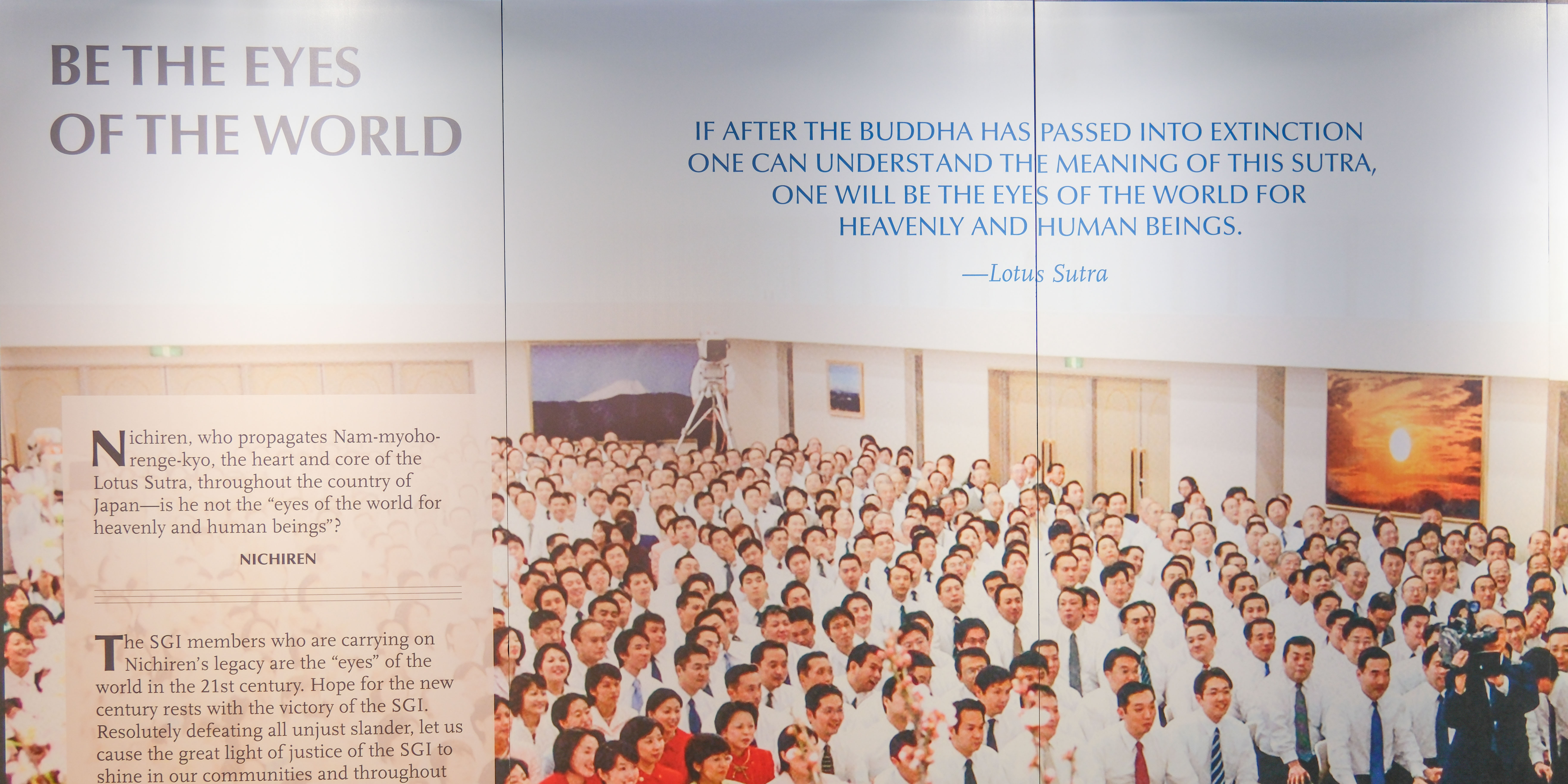
世間之眼
佛滅度後,能解其義,
是諸天人、世間之眼。
《法華經並開結》,417頁
《法華經》〈見寶塔品第十一〉
《法華經》〈見寶塔品第十一〉
日蓮將法華經肝心之題目弘通日本國,豈非諸天世間之眼歟?
日蓮大聖人,《御書文白並列本》Ⅵ,59頁
承繼大聖人正統的國際創價學會員,正是21世紀「世界民眾的眼目」。創價學會的勝利中,有「新世紀的希望」。要斷然地打破殘暴的毀謗,將創價正義的大光芒,輝耀照向各地域及全世界。
池田大作,2001年6月8日World Tribune,4頁
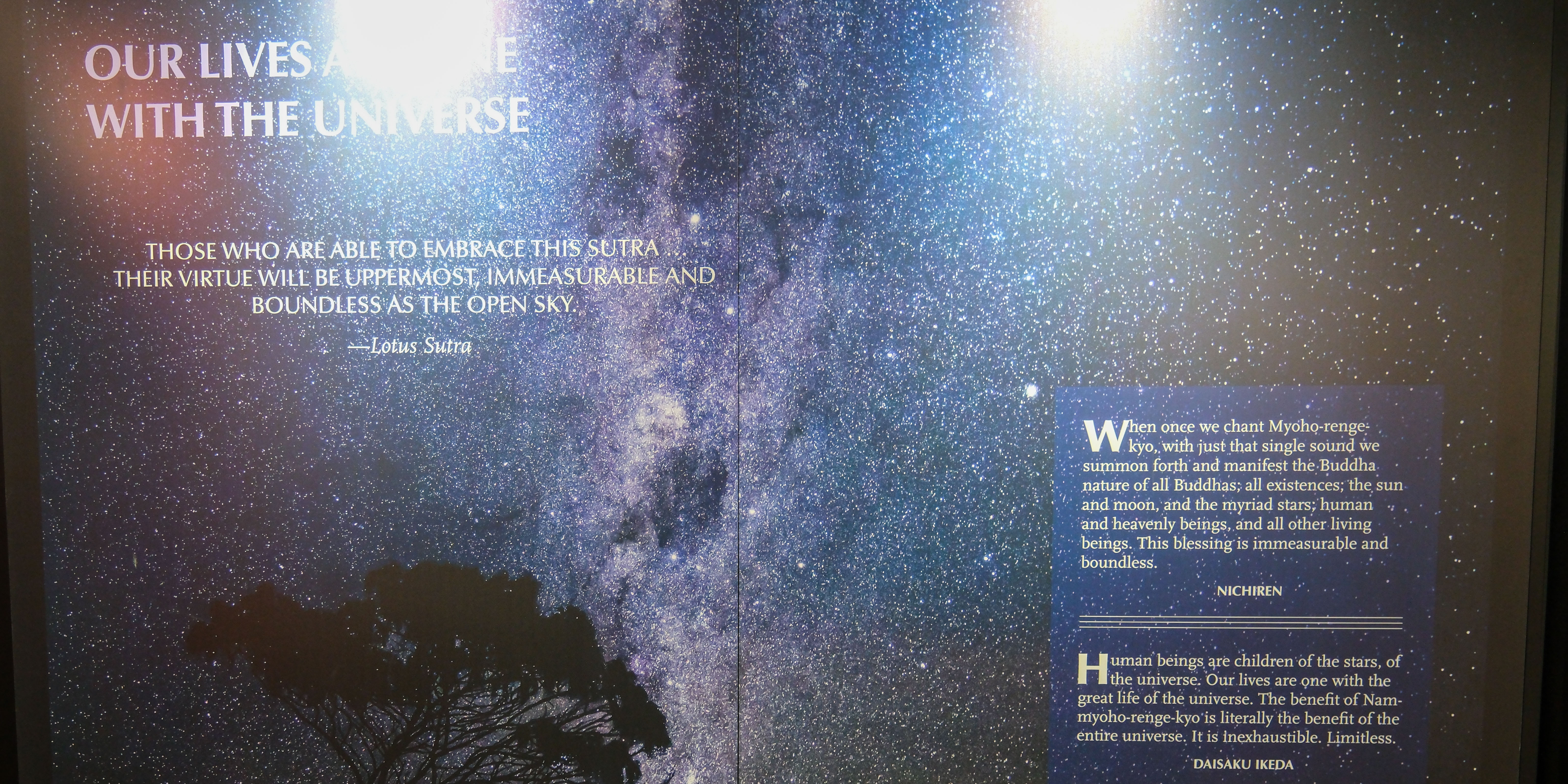
人類生命與宇宙一體
況復有人能持是經……其德最勝,無量無邊。譬如虛空。
《法華經並開結》,540頁
《法華經》〈分別功德品第十七〉
《法華經》〈分別功德品第十七〉
故一度唱妙法蓮華經,一切佛,一切法,……日月、眾星、……人、天,一切眾生心中佛性悉為此唯一音聲喚顯,功德無量無邊也。
日蓮大聖人,《御書文白並列本》Ⅲ,147頁
人是「星球之子」、「宇宙之子」。人類的生命與宇宙的生命是一體的。……「南無妙法蓮華經」的功德有如宇宙般大,無邊無際。
池田大作,港版《法華經的智慧》(下),14頁
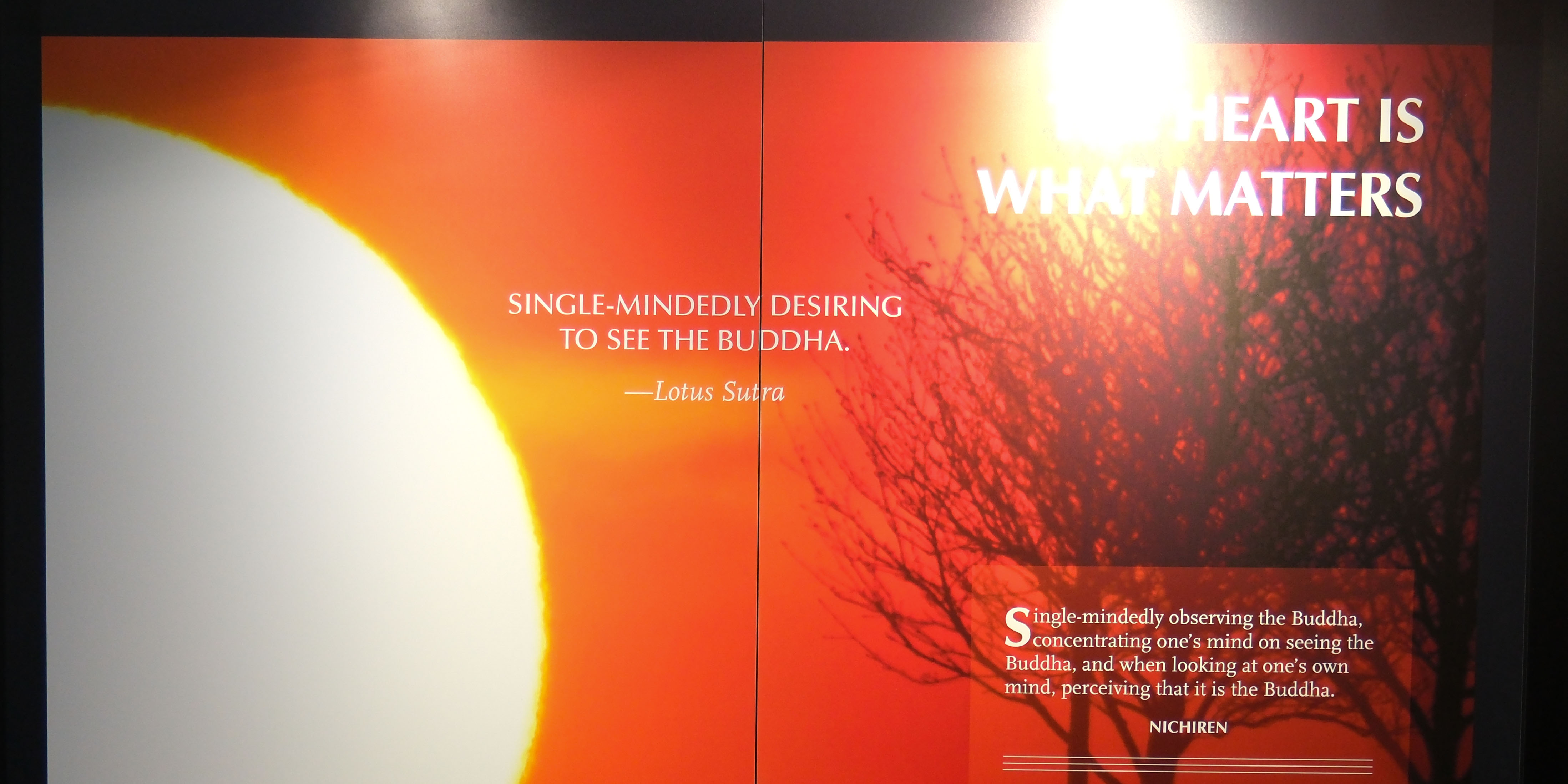
心為切要
一心欲見佛。
《法華經並開結》,518頁
《法華經》〈如來壽量品第十六〉
《法華經》〈如來壽量品第十六〉
一心見佛、專其一心以見佛、見得一心是佛矣。
日蓮大聖人,《御書文白並列本》Ⅰ,434頁
「追求佛的凡夫的一心」就等於「佛的一心」。
池田大作,港版《法華經的智慧》(中),364-365頁
「心為切要」,人不可傲慢,若不能由衷燃起求道心,就無法理解佛法。
池田大作,港版《法華經的智慧》(中),365頁
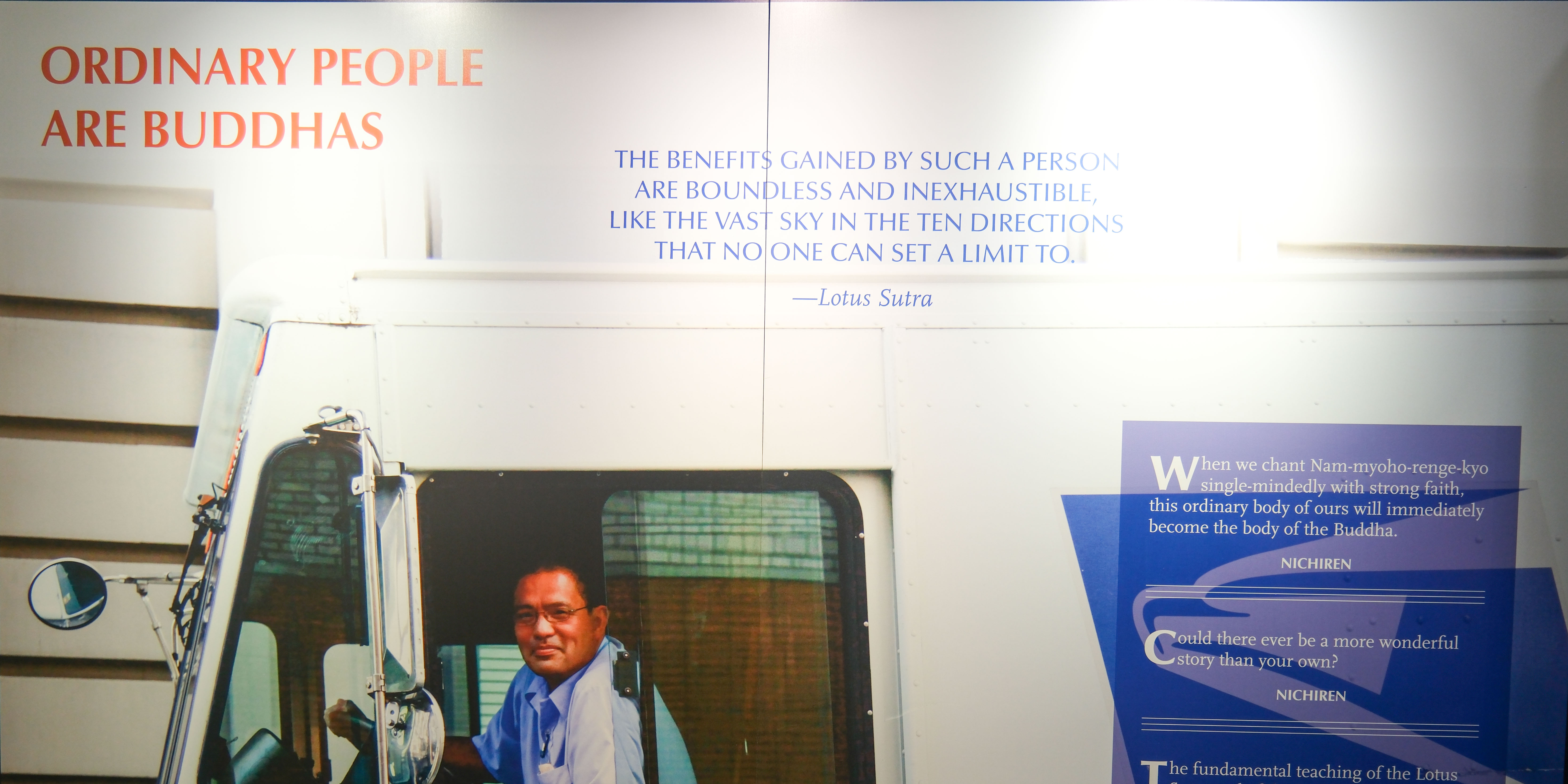
凡夫即佛
是人之功德,無邊無有窮,
如十方虛空,不可得邊際。
《法華經並開結》,608頁
《法華經》〈如來神力品第二十一〉
《法華經》〈如來神力品第二十一〉
信心強盛,雖無餘念,唱奉南無妙法蓮華經,凡身即佛身。
日蓮大聖人,《御書全集》906頁
留作未來之佳話,當無復逾於此者矣。
日蓮大聖人,《御書文白並列本》Ⅱ,118頁
《法華經》及日蓮大聖人佛法的本義,在於堅持作為凡夫而活、伸張正義,為了「人」的幸福而不惜身命。即使滿身創傷也要不惜身命與難奮戰,除此之外再找不到「活的法華經」。
池田大作,港版《法華經的智慧》(下),136頁
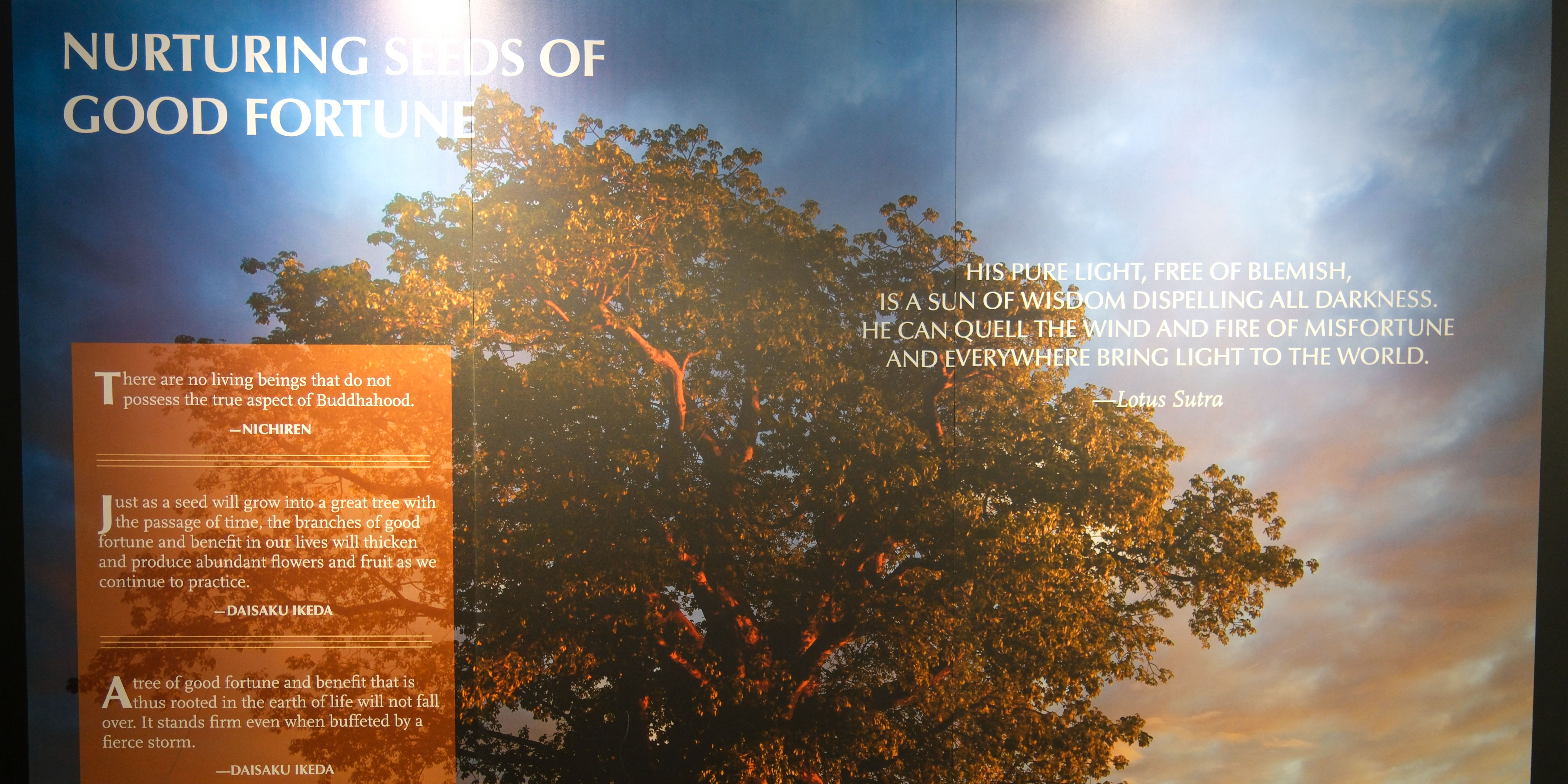
培育福德種子
無垢清淨光,慧日破諸暗,
能伏災風火,普明照世間。
《法華經並開結》,676頁
《法華經》〈觀世音菩薩普門品第二十五〉
《法華經》〈觀世音菩薩普門品第二十五〉
眾生無一不是實相之佛。
日蓮大聖人,〈御義口傳〉《御書文白並列本》別冊,125頁
如同種子隨著歲月增長茁壯成大樹,冥益是福德的枝葉漸漸繁茂而開花結果。
池田大作,港版《法華經的智慧》(下) 266頁
扎根於生命大地的福德大樹是不會倒的,就算遭受暴風雨侵襲也是屹立不搖。
池田大作,港版《法華經的智慧》(下) 266頁
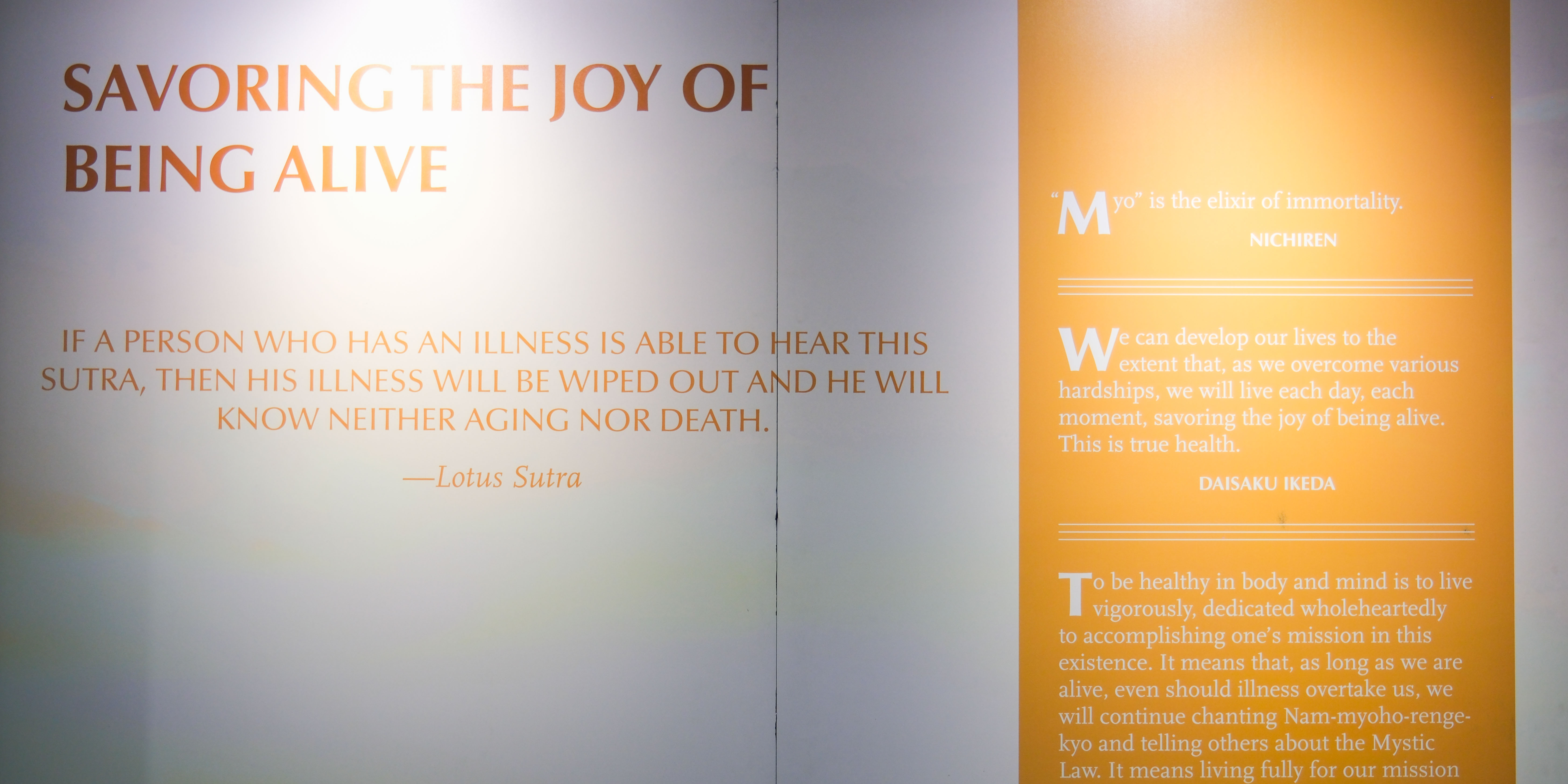
享受人生
若人有病,得聞是經,病即消滅,不老不死。
《法華經並開結》,638頁
《法華經》〈藥王菩薩本事品第二十三〉
《法華經》〈藥王菩薩本事品第二十三〉
妙者,不死之藥也。
日蓮大聖人,《御書全集》867-868頁
克服煩惱的同時,每天過著享受人生的境涯,這才是真正的健康。
池田大作,港版《法華經的智慧》(下) 204頁
為了完成今世的使命,色心兩方面都要奮勇貫徹到底。不!即使臥病,只要一息尚存,也要唱奉妙法、廣說妙法,超越生死,為使命而活。這樣的「信心」就是「不老不死」的境地。
池田大作,港版《法華經的智慧》(下) 204頁
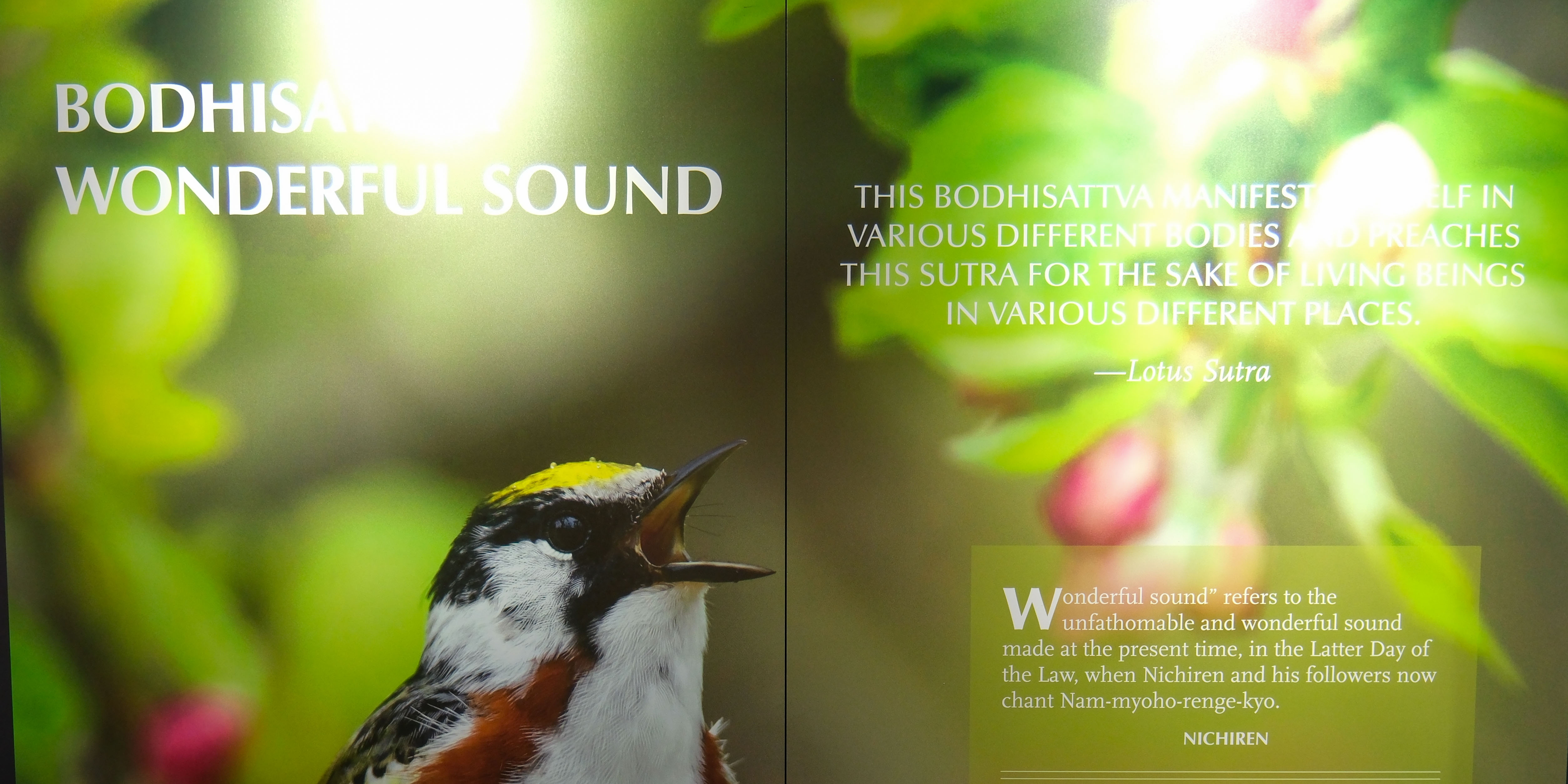
妙音菩薩
菩薩現種種身,處處為諸眾生說是經典。
《法華經並開結》,652頁
《法華經》〈妙音菩薩品第二十四〉
《法華經》〈妙音菩薩品第二十四〉
「妙音」者,今、日蓮等之類唱奉南無妙法蓮華經之事,是末法當今不思議之音聲也。
日蓮大聖人,〈御義口傳〉《御書文白並列本》別冊,122頁
要好好去調音、訓練自己的這個「樂器」,要使蘊藏樂器中的「宇宙妙音」響徹、轟動。這個鍛煉也可說是佛道修行。
池田大作,港版《法華經的智慧》(下) 248頁
雖然每個人崗位不同,但都是出自慈悲,本著人性主義。必須燃起「誓必與苦惱者為伍」的正義之火。
池田大作,港版《法華經的智慧》(下) 251-252頁
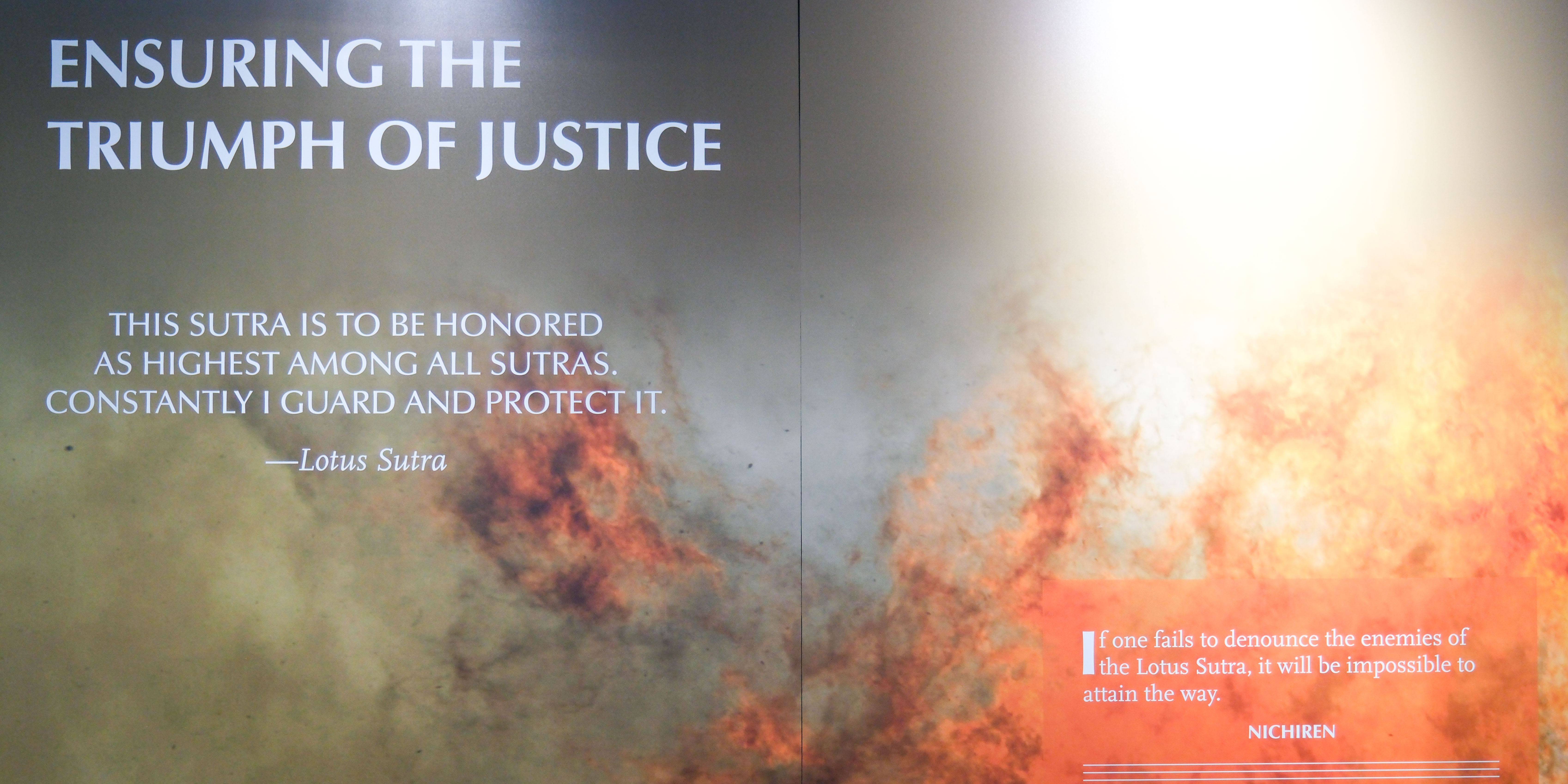
確保正義得勝
此經為尊,
眾經中上,
我常守護。
《法華經並開結》,473-474頁
《法華經》〈安樂行品第十四〉
《法華經》〈安樂行品第十四〉
如不為責法華經之敵,不能得道。
日蓮大聖人,《御書文白並列本》Ⅰ,79頁
擁有徹底嘶喊正義的勇氣才是創價精神。我們須勇敢地去贏取正義的勝利。
池田大作,2002年12月13日World Tribune,2頁
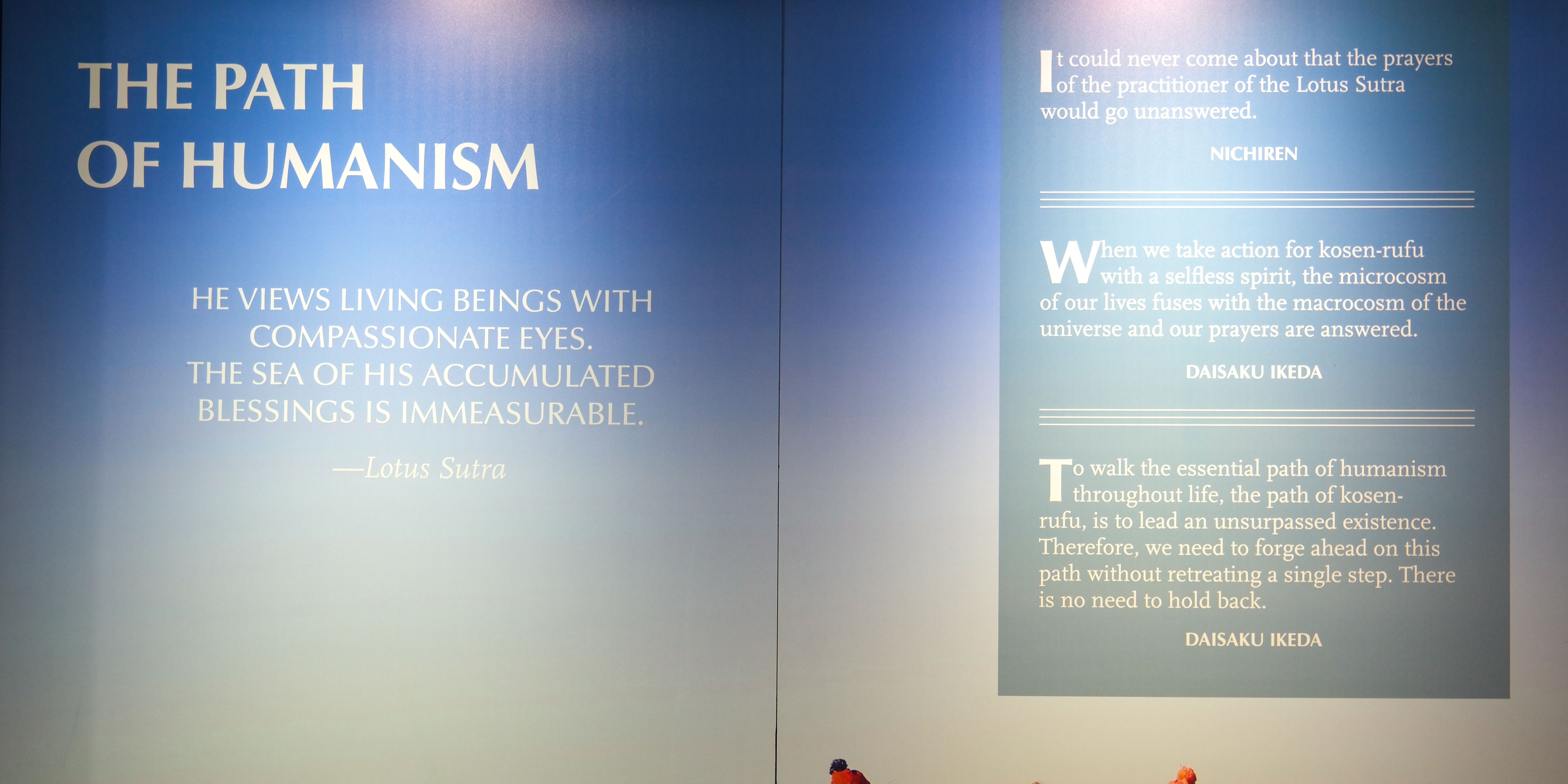
人性之道
慈眼視眾生,
福聚海無量。
《法華經並開結》,677頁
《法華經》〈觀世音菩薩普門品第二十五〉
《法華經》〈觀世音菩薩普門品第二十五〉
法華經行者祈而不遂之事必無之矣!
日蓮大聖人,《御書文白並列本》Ⅰ,383頁
真正付出、不惜身命為廣布的行動,自身的小宇宙生命才會與大宇宙冥合,達成祈願。
池田大作,港版《法華經的智慧》(下) 300頁
當步上廣宣流布這條人性光輝的軌道時,就會擁有「無上道的人生」。所以,對廣宣流布決不能畏怯,要勇往直前,不必禮讓。
池田大作,港版《法華經的智慧》(下), 301頁
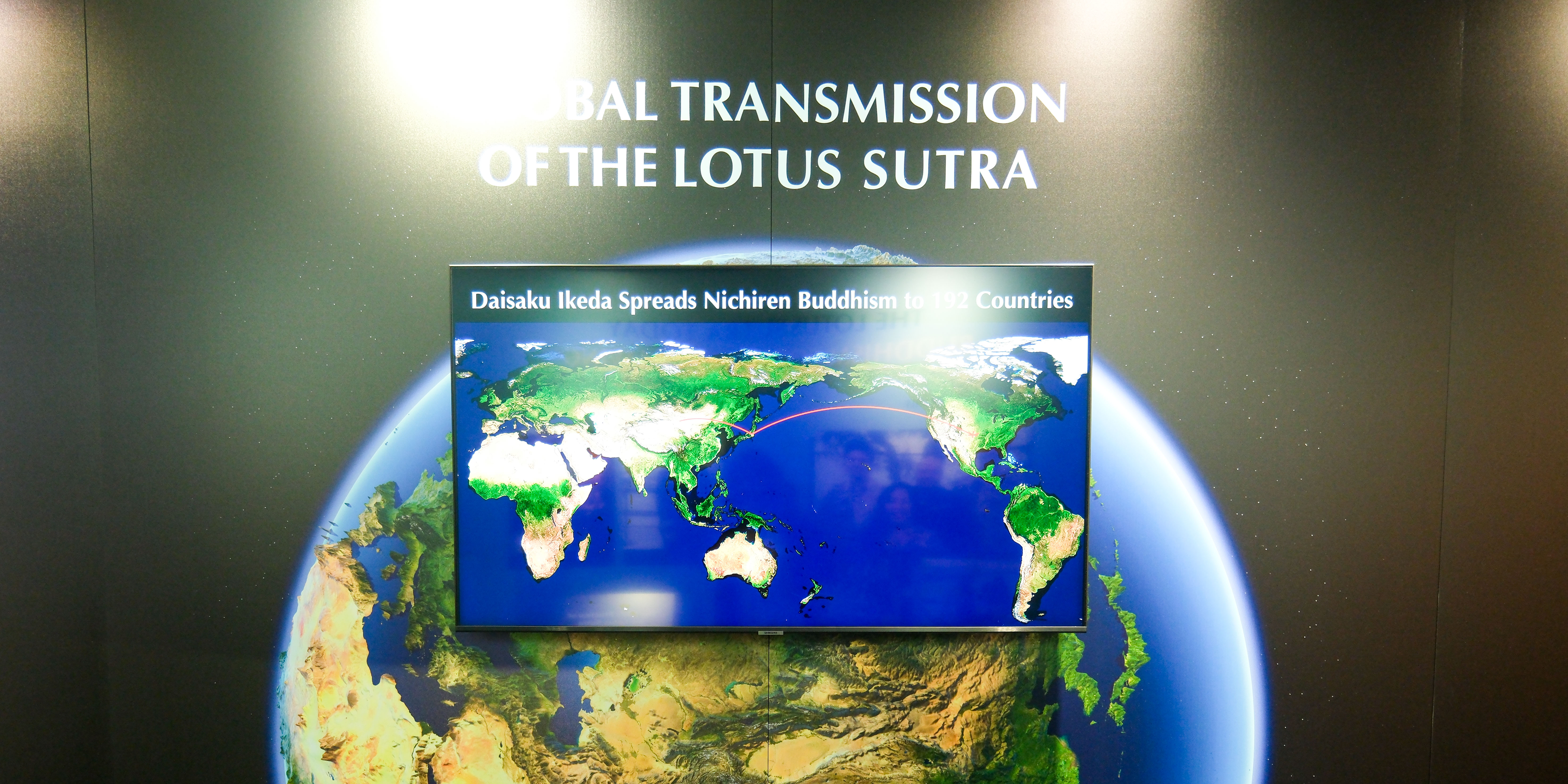
《法華經》於現代
《法華經》流布全球
月西出東照,日東出西照。佛法亦如是。正像由西向東,末法由東往西。
日蓮大聖人,《御書文白並列本》Ⅱ,13頁
所以說,最重視「敬人」的日蓮大聖人的太陽佛法能弘揚至全世界,正是「佛法西還」的本義。
2019年8月16日《世界聖報》,2頁
現代生活的佛法
須勤勵行學二道。行學絕則佛法滅。我以自行,亦復教化他人。行學發自信心。
日蓮大聖人,《御書文白並列本》Ⅰ,431頁
以上引文來自SGI-USA Plaza的「《法華經》之人性主義展」。只有可供SGI-USA 會員取得的內容才會被引用列出。查閱2019年以後的WorldTribune、Living Buddhism和《世界聖報》的引用內容,請使用以下網站的電子閱讀器:https://sgiusapublications.pressreader.com/
